01
OEM development
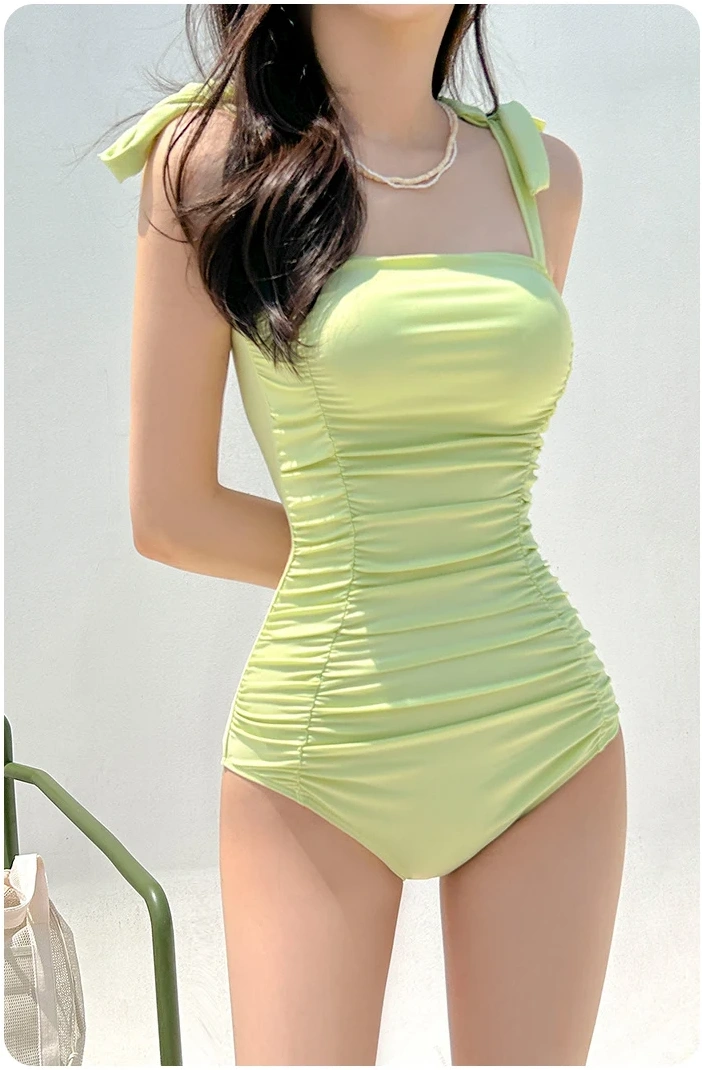
Send a physical sample, tech pack, pattern, sketch or consolidated visual brief. We review the construction, materials and missing decisions before defining the sample route.
Explore service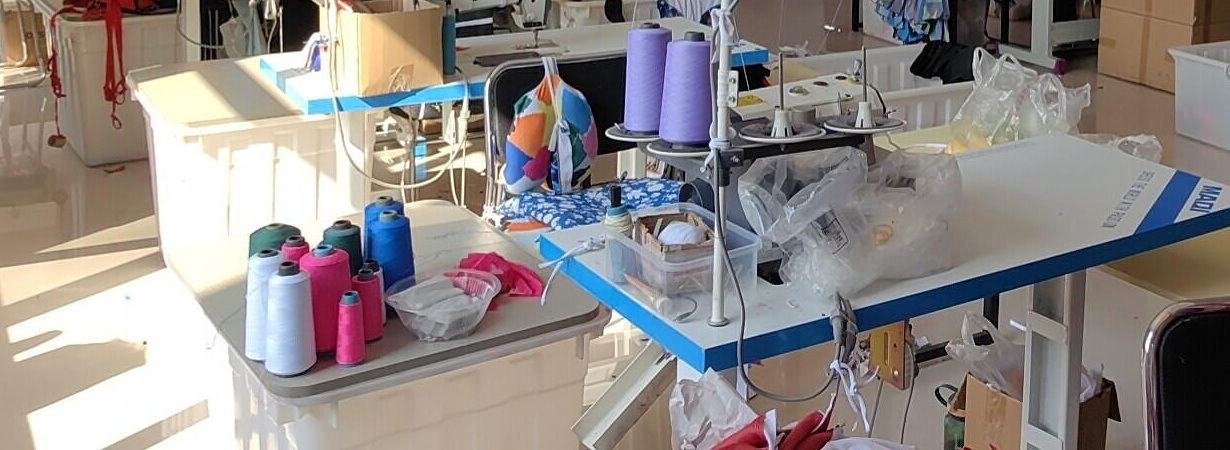
Services
Start from your own sample or design information, or adapt a relevant product direction. Both routes connect product review, sampling, materials and preparation for production.
Choose a development route
A physical sample is an input for OEM, not a separate promise of exact replication. Tell us which details must stay and which need to change.
| Route | Your input | Development output | Before production |
|---|---|---|---|
| OEM / sample-based | Your sample, sketch or tech pack; measurements, intended materials and marked changes. | A reviewed brief, agreed pattern and sample; a record of unresolved details and revisions. | Approve the sample version, measurements, shell and lining, construction and branding specification. |
| ODM / existing-style adaptation | A selected style or product direction, target size range, color and feasible change requests. | A defined change list and sample showing the agreed material, fit and brand adaptations. | Approve the adapted sample and the final style / color / size quantities before scheduling. |
Pattern ownership, development fees, revision scope and the form of technical files are agreed in the project quotation; they are not automatic catalog inclusions.
Fit, coverage & support
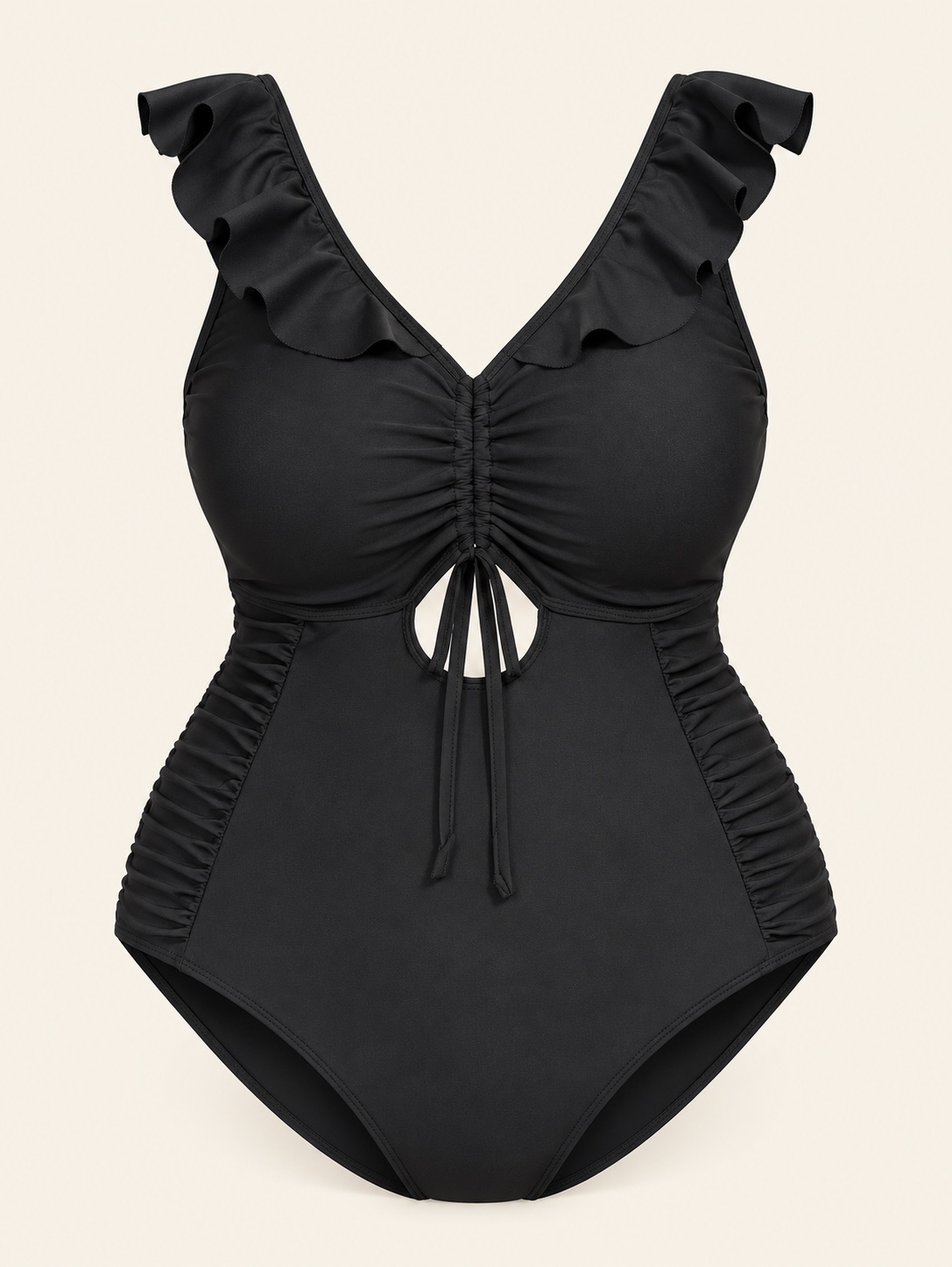
Start with your customer’s body range, intended activity and coverage preference. Exterior shape and internal support need to be evaluated in the same sample.
| Decision | Effect on the product | Bring to the review |
|---|---|---|
| Neckline & leg opening | Changes coverage, edge length and placement on the body. | Front and back references with desired coverage marked. |
| Shoulder straps | Width, length and attachment affect tension and adjustability. | Strap position, adjustment preference and movement comments. |
| Cup & underbust | Cup shape and underbust construction affect room and support. | Cup direction, fit sizes and an internal view of the sample. |
| Lining & elastic | Can change opacity, bulk, stretch and pressure at the edge. | Actual shell/lining swatches and target comfort requirements. |
| Grading | Torso, cup and strap relationships may change across sizes. | Target size chart and the sizes to check physically. |
State what feels wrong, where it occurs and under which movement. A photo and measurement give more useful direction than “more supportive” alone. A change to the neckline or lining can require a new fit check even if the color stays the same.
Plus-size development considers torso balance, bust room, strap load and support across key sizes. It is not a uniform enlargement of the smallest sample.
Development services
Every service is tied to a garment, a reference or an approval. That keeps the work useful for buyers and reproducible for production.
Send a physical sample, tech pack, pattern, sketch or consolidated visual brief. We review the construction, materials and missing decisions before defining the sample route.
Explore service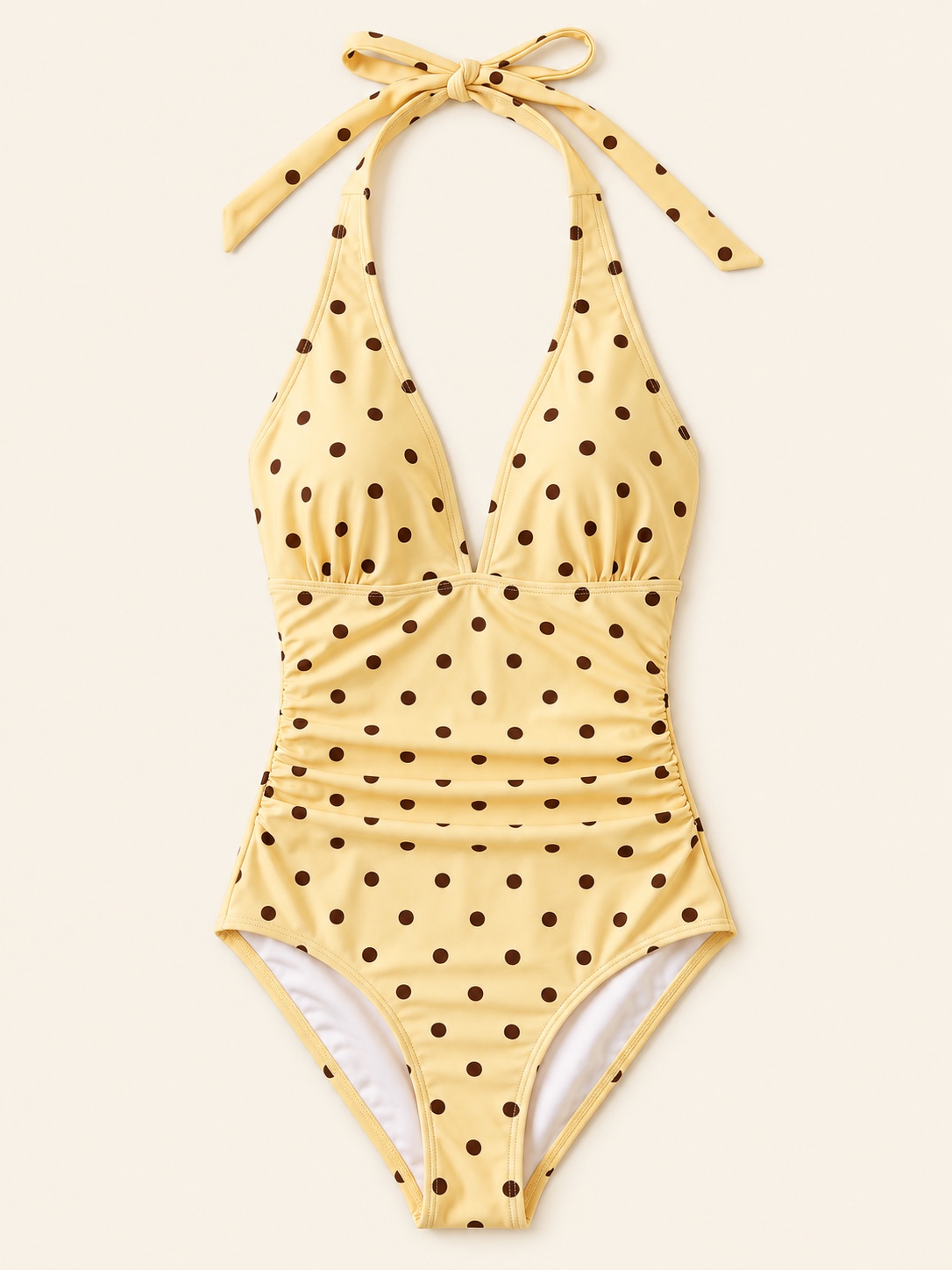
Start with a relevant Swimfac structure, then review feasible changes to neckline, straps, coverage, support, material, color, print and brand finish before quotation.
Explore service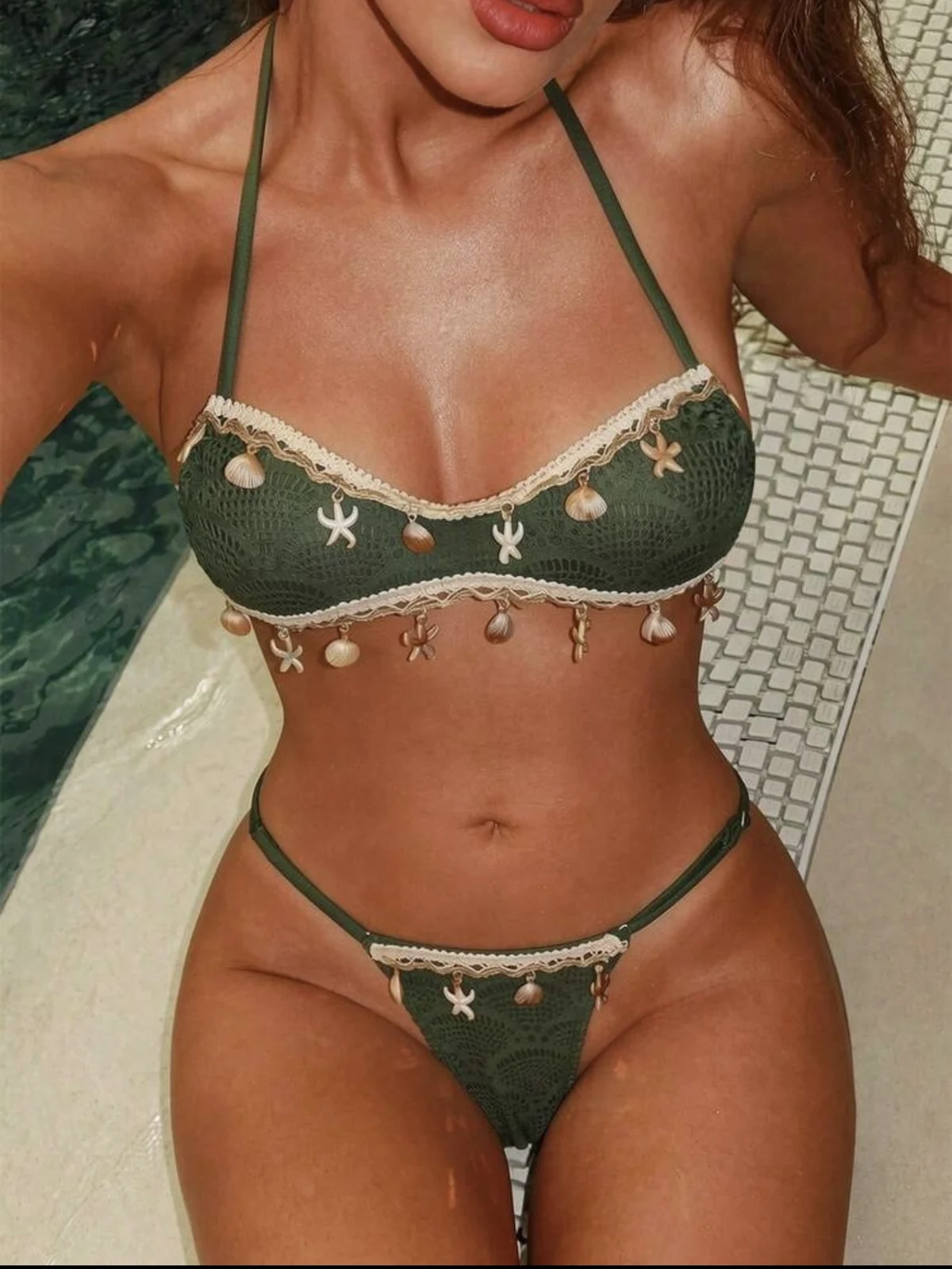
Review shell, lining, recovery, opacity, cups, power mesh, elastic, hardware and trims as one product system rather than a disconnected list of options.
Explore service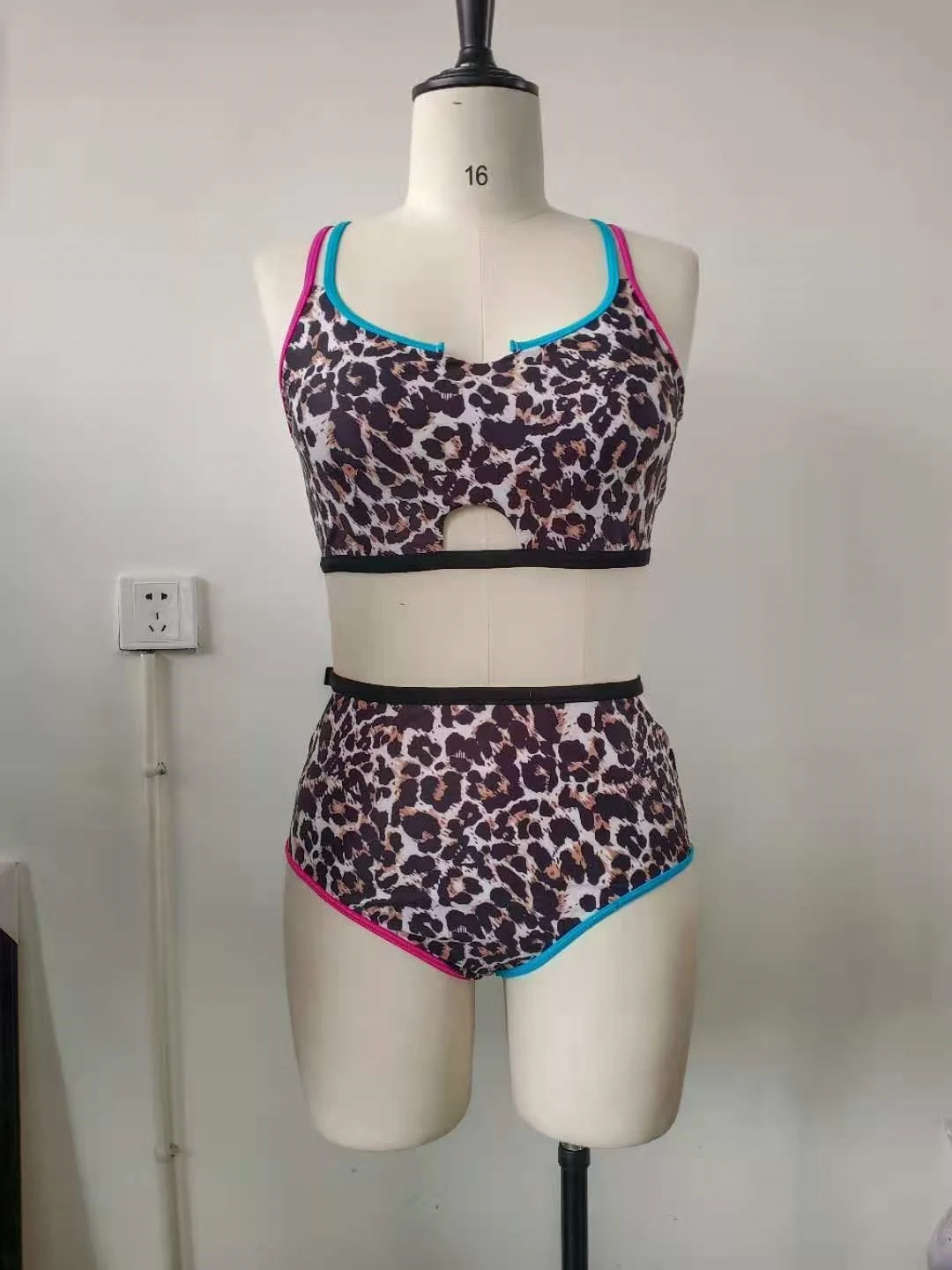
Use consolidated comments, marked images and measurements to evaluate silhouette, tension, support, coverage and construction at each agreed sample stage.
Explore service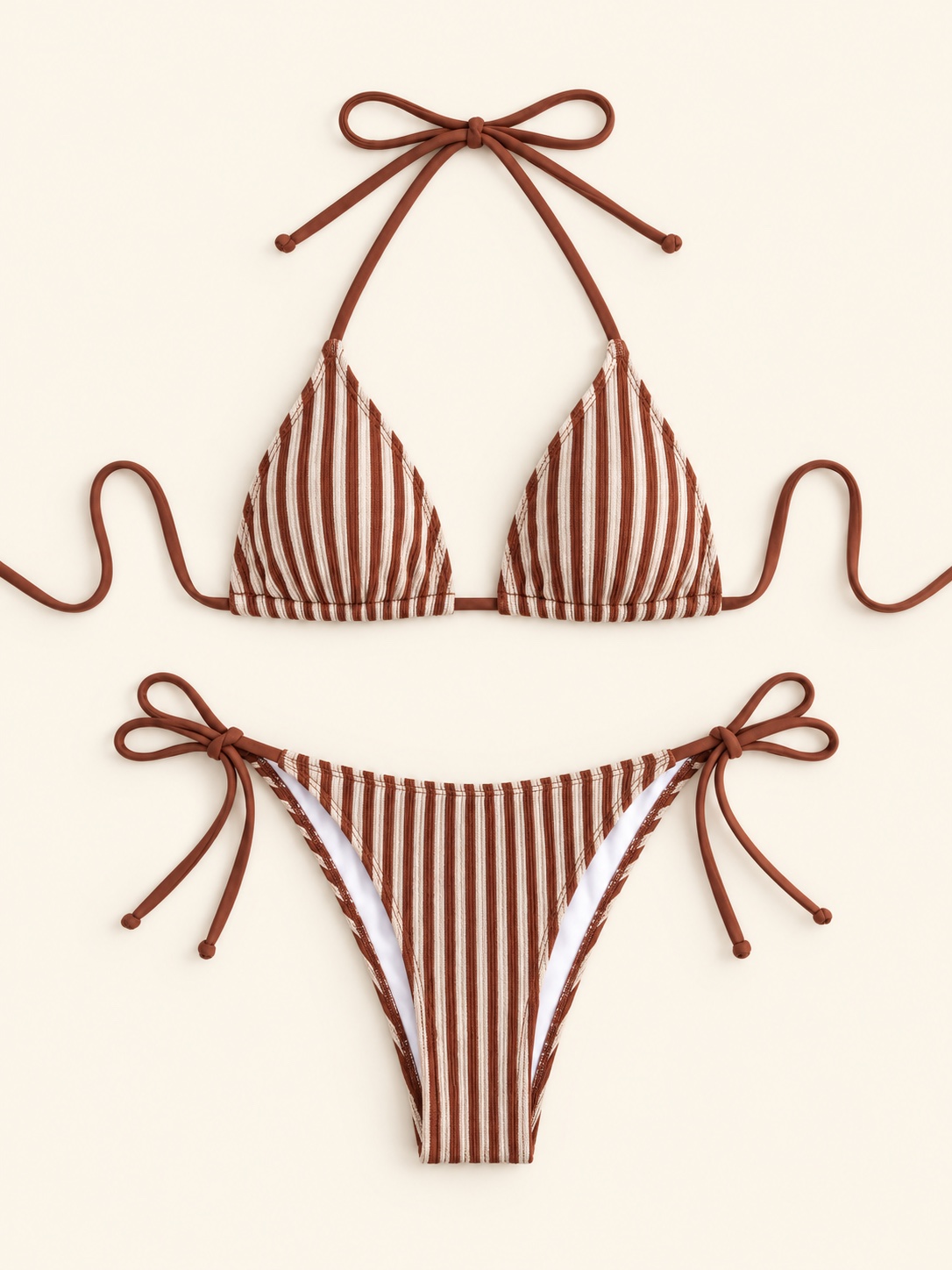
Define care, size and main labels, trims, hygienic liners, folding and packaging requirements early enough to price and test the real scope.
Explore serviceWhat makes a useful brief
Share the product, color and size structure, target market, material direction, brand finishing, test requirements, quantity and desired delivery window. Unknowns can be identified, but they should not be hidden.
Use the buyer resourcesBrand customization
Discuss heat-transfer logos, embroidery and custom labels. The suitable application depends on the fabric, style, placement and sample result.
Hangtags, packaging bags and brand labels can be customized. Send artwork, dimensions, placement and packing instructions so the full scope can be reviewed before quotation.
Review color and material choicesPlan your project
Use these starting points to prepare your brief. Your quotation confirms the applicable minimums, sampling scope and production dates.
200 pieces per style, per color
Our reference MOQ is 200 pieces per style, per color. The final minimum depends on construction, fabric and trim sourcing, print requirements and the size breakdown. For sets, confirm how pieces and sets are counted in your quotation.
5–10 working days
Sample development typically takes 5–10 working days, subject to a reviewed brief and available materials. Custom fabrics, prints, trims and sample revisions may require additional time. We confirm the schedule for your development scope.
30–45 days
The reference bulk production lead time is 30–45 days. The start date and delivery schedule depend on sample approval, material availability, order quantity and production scheduling. Shipping time is agreed separately.
Share the product direction, target market, quantity structure and reference files you already have. Project-specific sampling and quotation requirements are reviewed from there.
Define your development scope
Agree the scope before sampling so the material, pattern and branding decisions stay connected.
Organize the sample brief →Specify the color reference, artwork scale and placement. Reassess coverage where a lighter color or different print changes the appearance.
Explain the intended adjustment with marked views and measurements. A strap, neckline or lining change may also affect tension and fit.
Prepare label artwork, placement and packing instructions together. Keep the garment size code consistent with the label and assortment list.