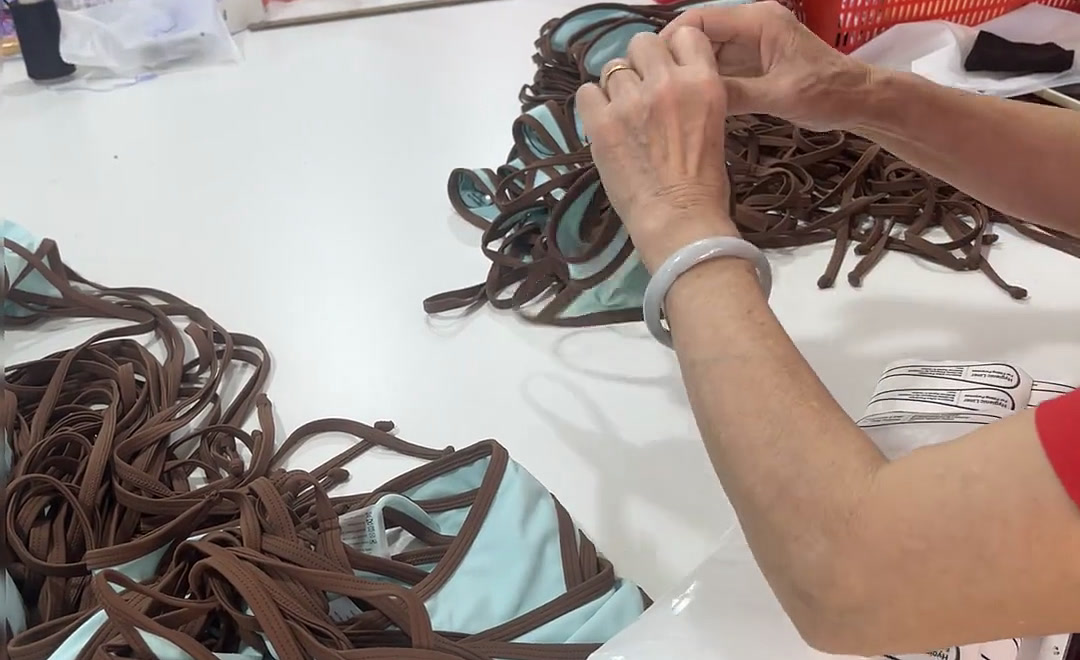
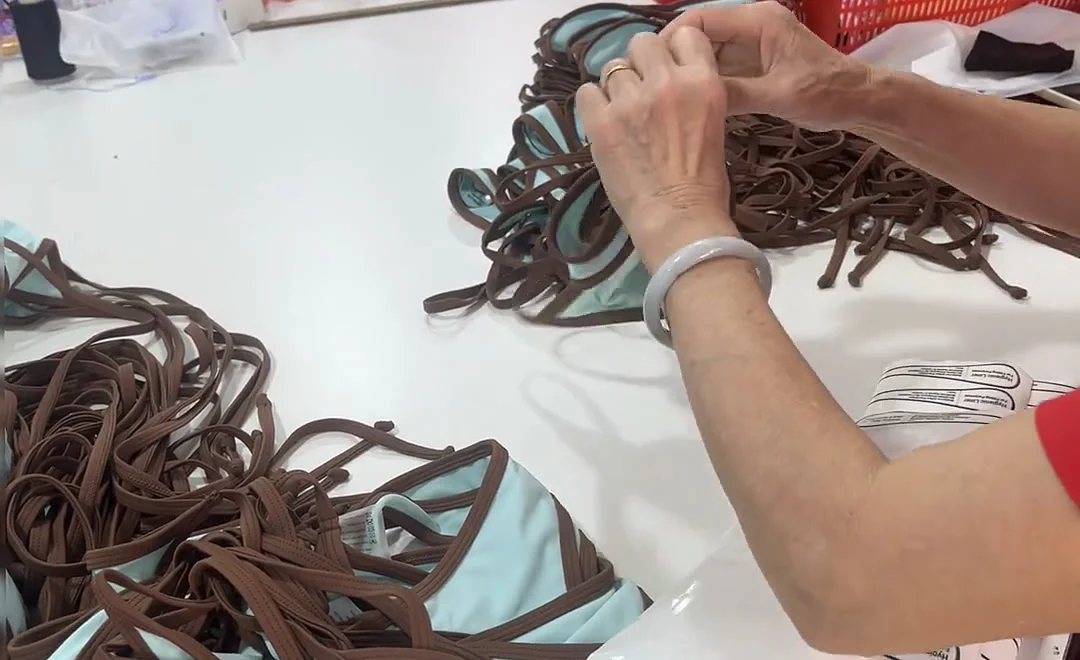
Hands arranging garment components and hygienic liners on a work surface

OEM development

From your sample or design to an approved product.

Send your sample, sketch or technical pack. We review the construction, materials and development requirements, then agree the sampling and approval route before production.

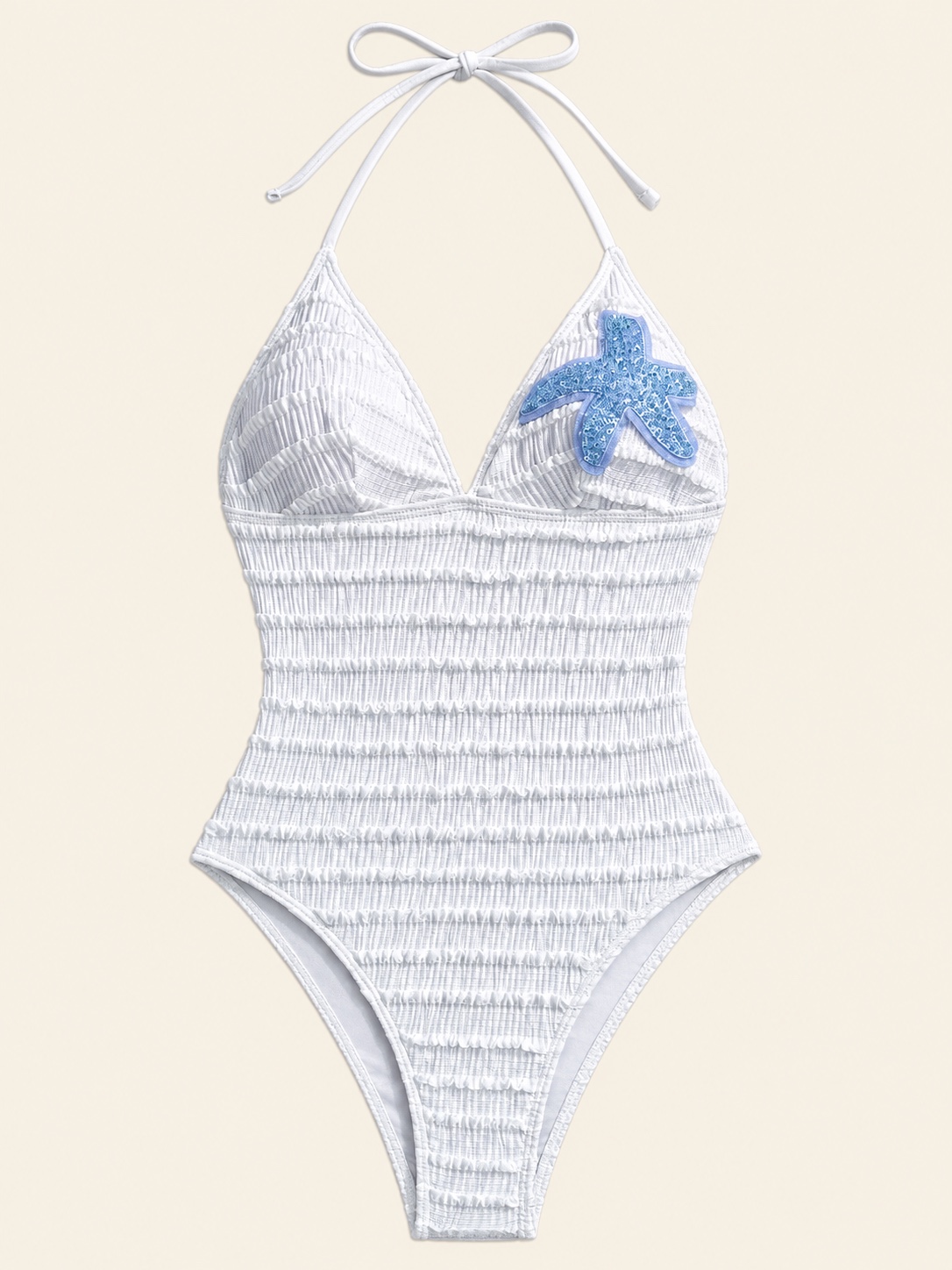
A textured one-piece swimsuit used as a product reference for an initial brief
Stage 01

Requirement & design review

Provide

Physical sample, tech pack, pattern, sketch or reference; target market; quantities; size range; brand and delivery requirements.

Receive

A review of missing information, construction questions and the proposed development route.

Agree the brief

Confirm the style references, intended market, target size range and questions to resolve before sampling.
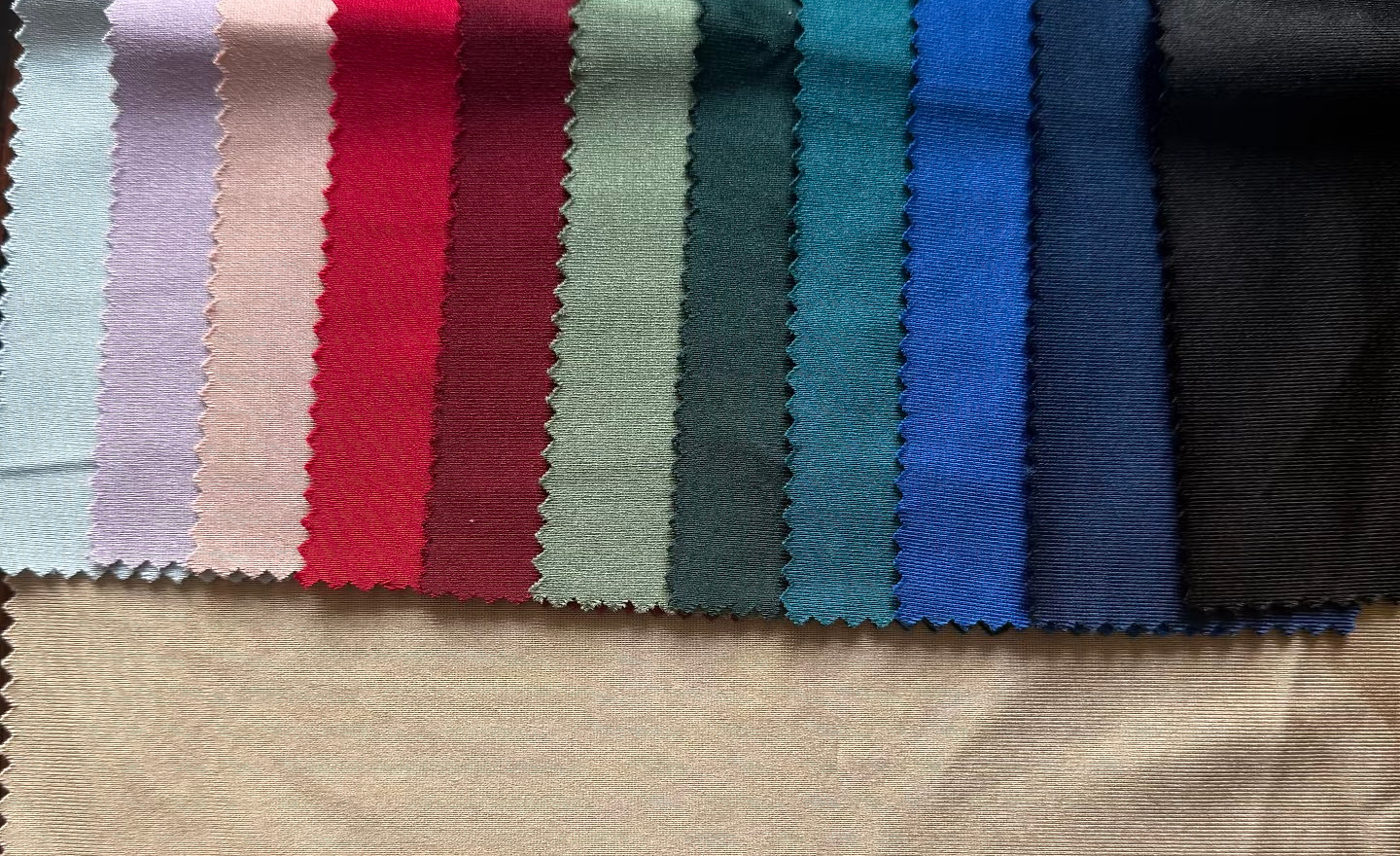
Physical color swatches used to compare fabric directions
Stage 02

Materials & pattern direction

Provide

Material preferences, performance needs, fit standard and intended level of support or coverage.

Receive

A defined shell, lining, support and pattern direction for sampling, subject to availability and approval.

Confirm the material direction

Agree shell, lining, trims and fit requirements. Record substitutions before the sample is made.

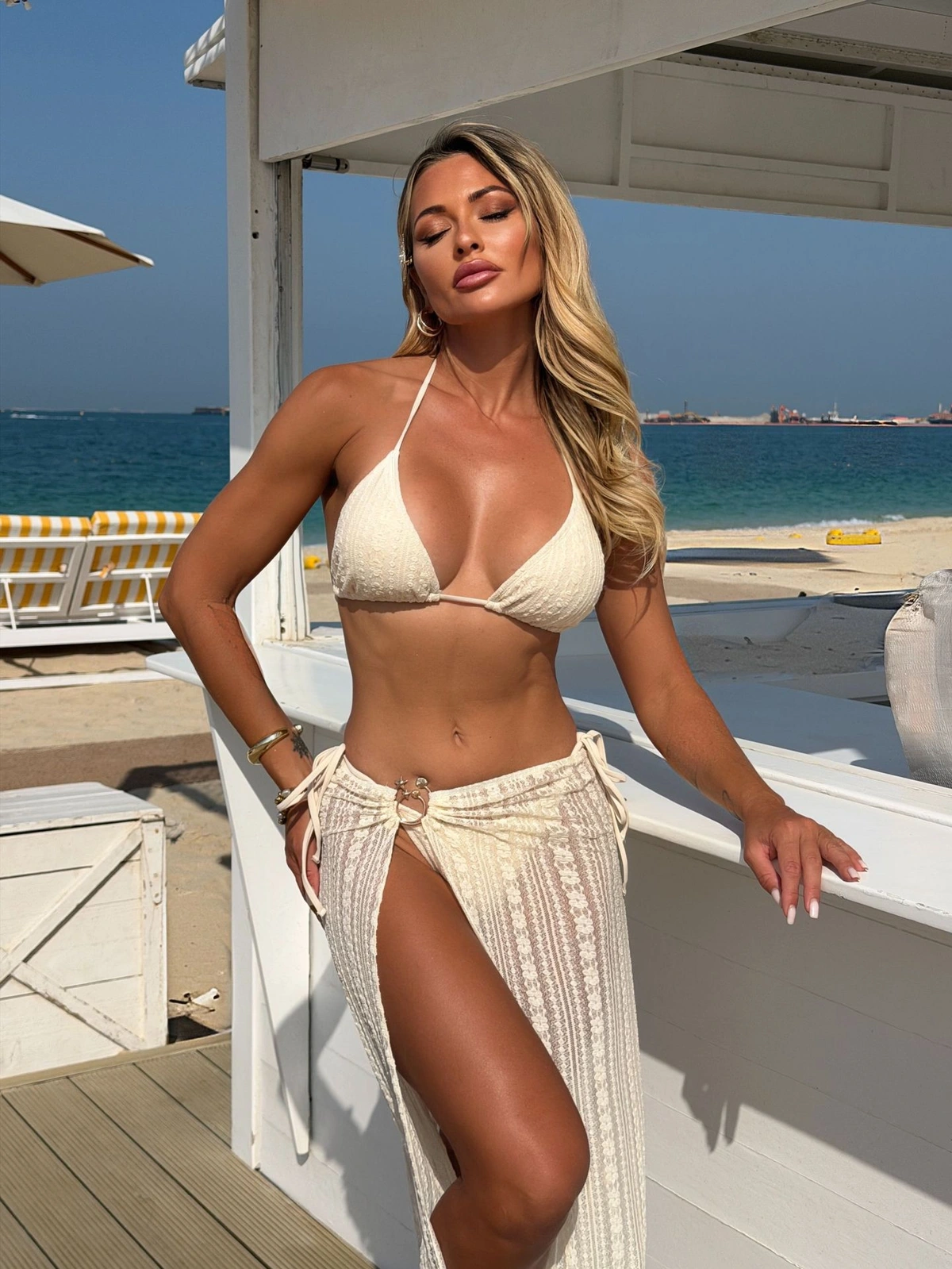
White swimwear on a model used as a fit discussion reference
Stage 03

Sampling

Provide

Consolidated comments against the current sample and specification version.

Receive

A physical development, fit or pre-production sample as agreed for the project.

Review one sample version

Consolidate fit, measurement and construction comments against the same sample and specification.

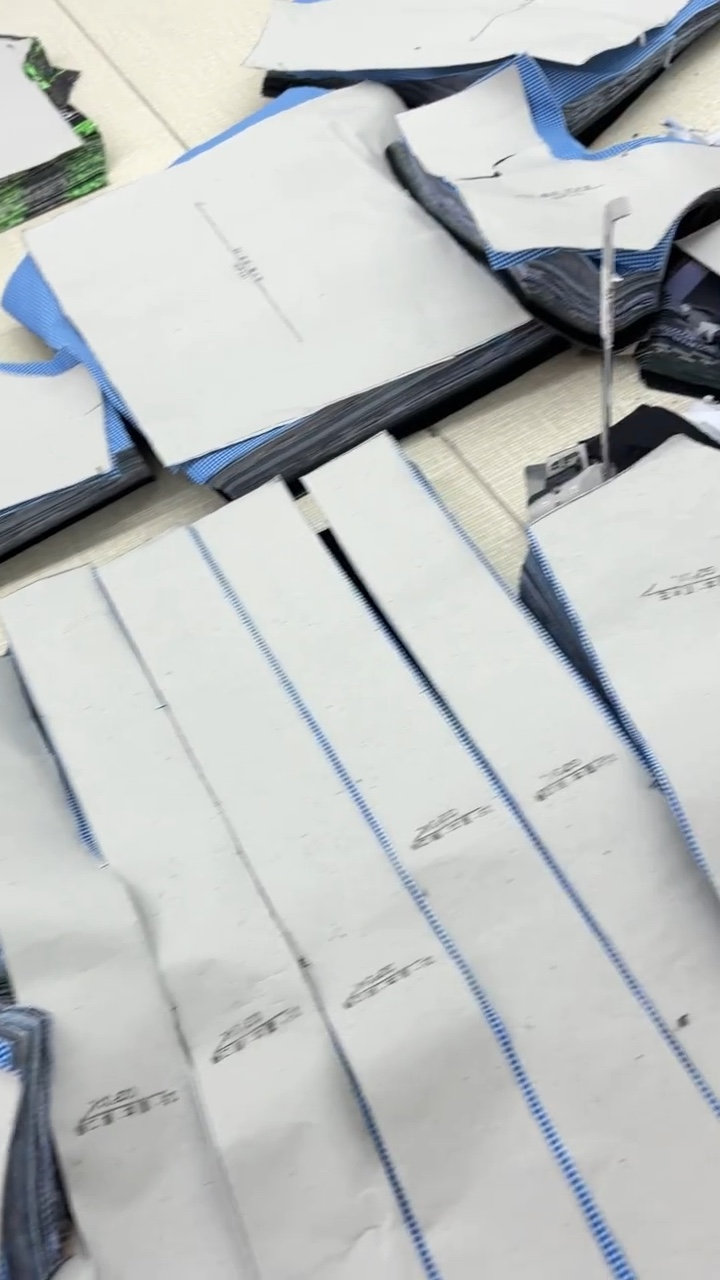
Hands reviewing garment panel details on a worktable
Stage 04

Sample confirmation

Provide

Written approval or one consolidated revision document with measurements and marked images.

Receive

An agreed reference set: sample status, updated specification, approved material and open-item list.

Approve the reference set

Identify the approved sample and specification version, with any conditions or unresolved items listed.

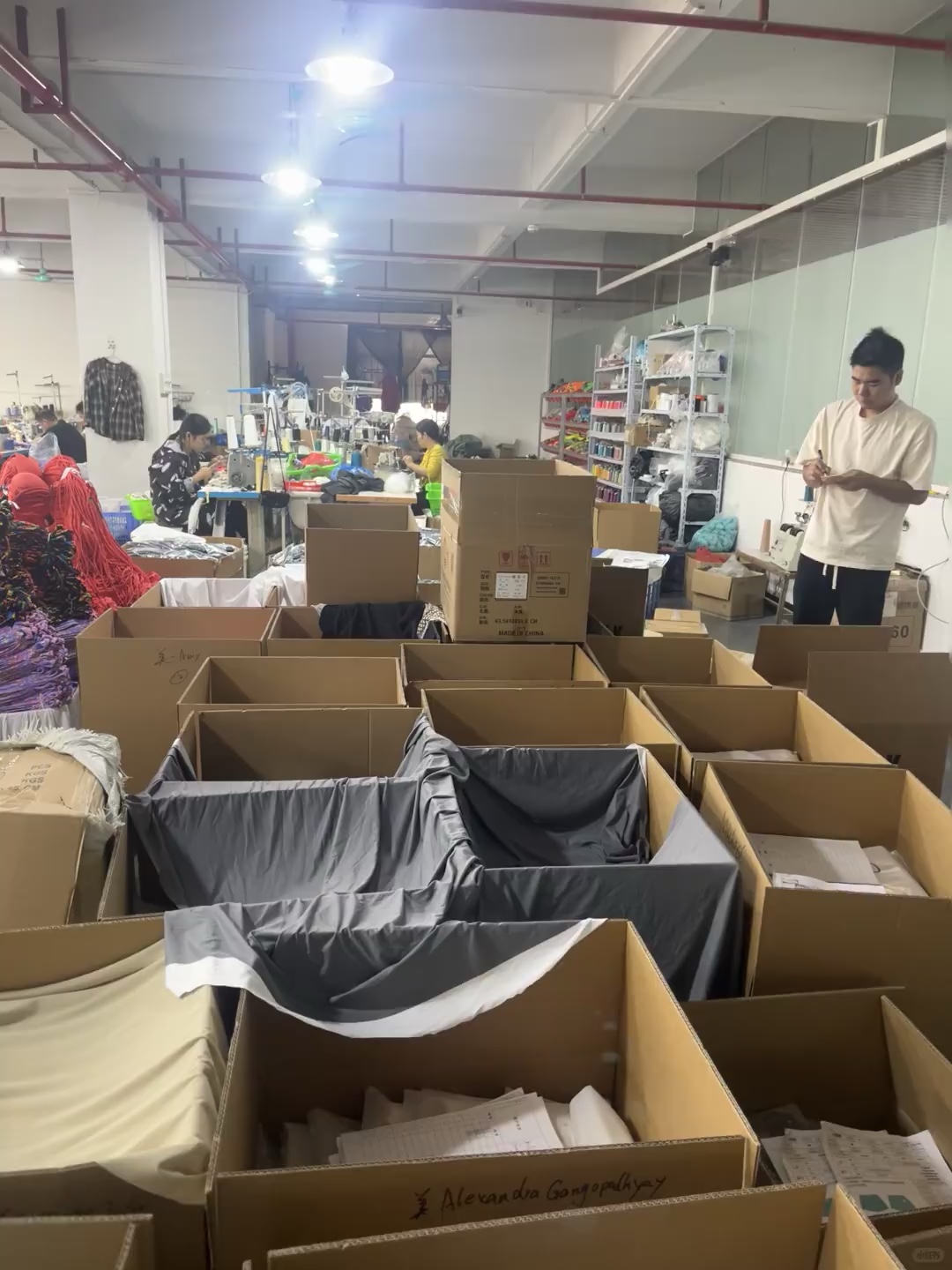
Open cartons and garments at a packing work area
Stage 05

Bulk preparation

Provide

Complete commercial terms, order breakdown, labels, packaging, tests and required approvals.

Receive

Production preparation against the confirmed control set and agreed quality checkpoints.

Release the production brief

Confirm the order breakdown, material status, labels, packing and inspection criteria in writing.

Sample development & revision

Make feedback specific
and traceable.

Agree the sample purpose first: design interpretation, fit review or production reference. Review the product against that purpose before requesting the next version.

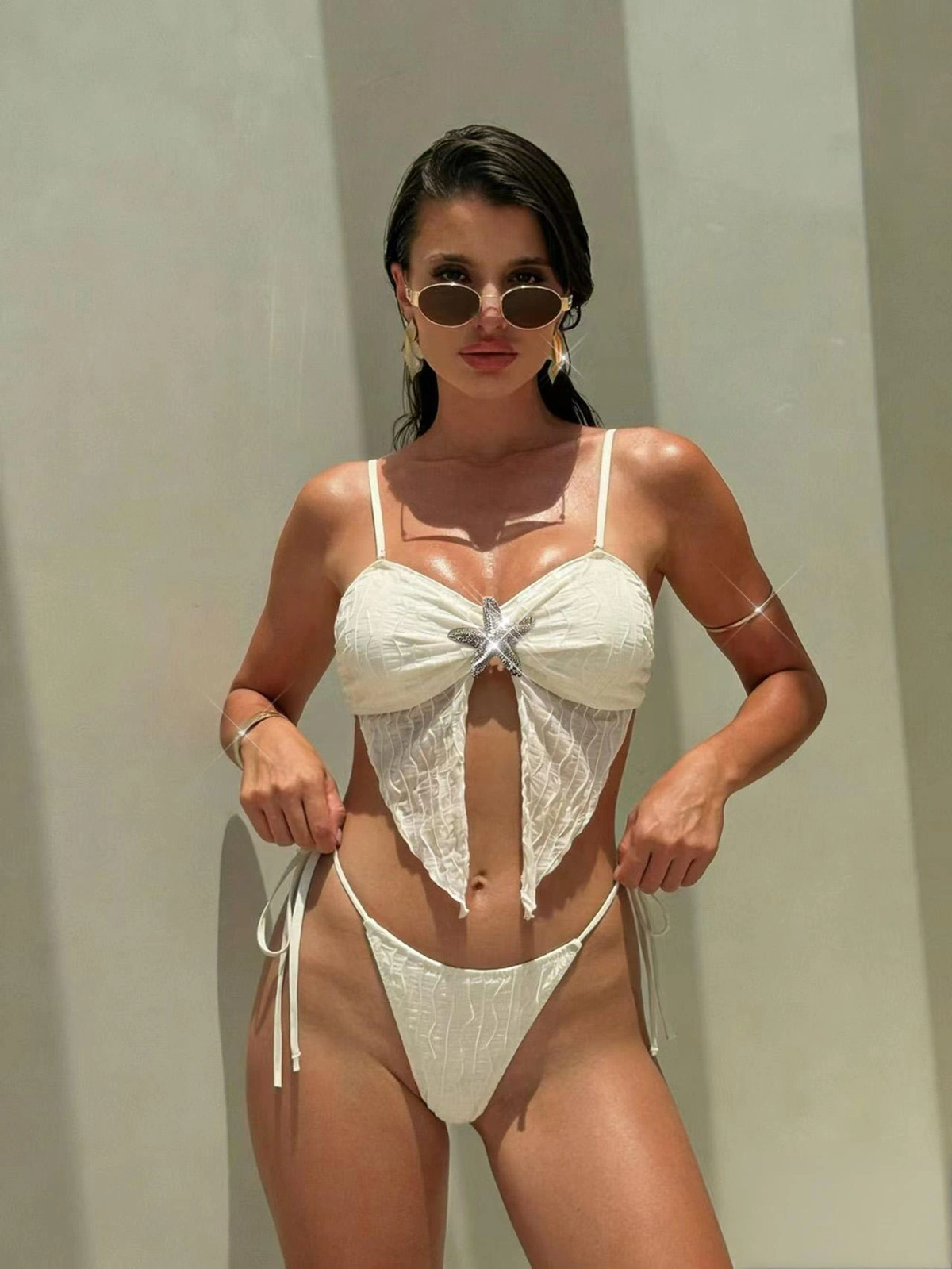
White tie-side bikini with a starfish detail on a model

Turn observations into a revision brief

FeedbackInformation neededNext check
Coverage feels too lowMark the area on front/back photos and state the intended position.Review the neckline or leg line alongside straps and lining.
The edge feels tightIdentify the size, contact point and movement that causes tension.Review measurements, edge length, material stretch and elastic.
Print placement needs changingProvide a marked layout with repeat scale and alignment priorities.Compare the new placement at seams and across planned sizes.
The sample is approvedState the style, version and approved features; list any conditions.Reconcile the sample with the current specification and material list.

Keep one agreed record

Use one consolidated comment sheet. Label each issue, keep measurements and photos together, and record whether it is accepted, revised or still open. Conflicting comments in several messages can lead to a sample that solves the wrong problem.

Sample timing, cost and revision scope depend on the construction, material availability and agreed work. They are established for the project rather than assumed from a style photograph.

Start your sample development.

Share the product direction, target market, quantity structure and reference files you already have. Project-specific sampling and quotation requirements are reviewed from there.

Start Your Project

Sample feedback

Describe the change, not only the problem.

Useful feedback gives the development team a clear action and a reference to work against.

Open the revision worksheets →

Fit comments

Name the area, size and wearing condition. Distinguish a measurement change from a preference for different coverage or support.

Construction comments

Mark the seam, connection or finish in a photograph. Explain the desired result and retain any details already accepted.

Revision control

Give each round one consolidated comment list. Identify the sample and material versions so an old instruction does not return in the next revision.