Incoming review
Confirm order-specific material, color and component references before use.
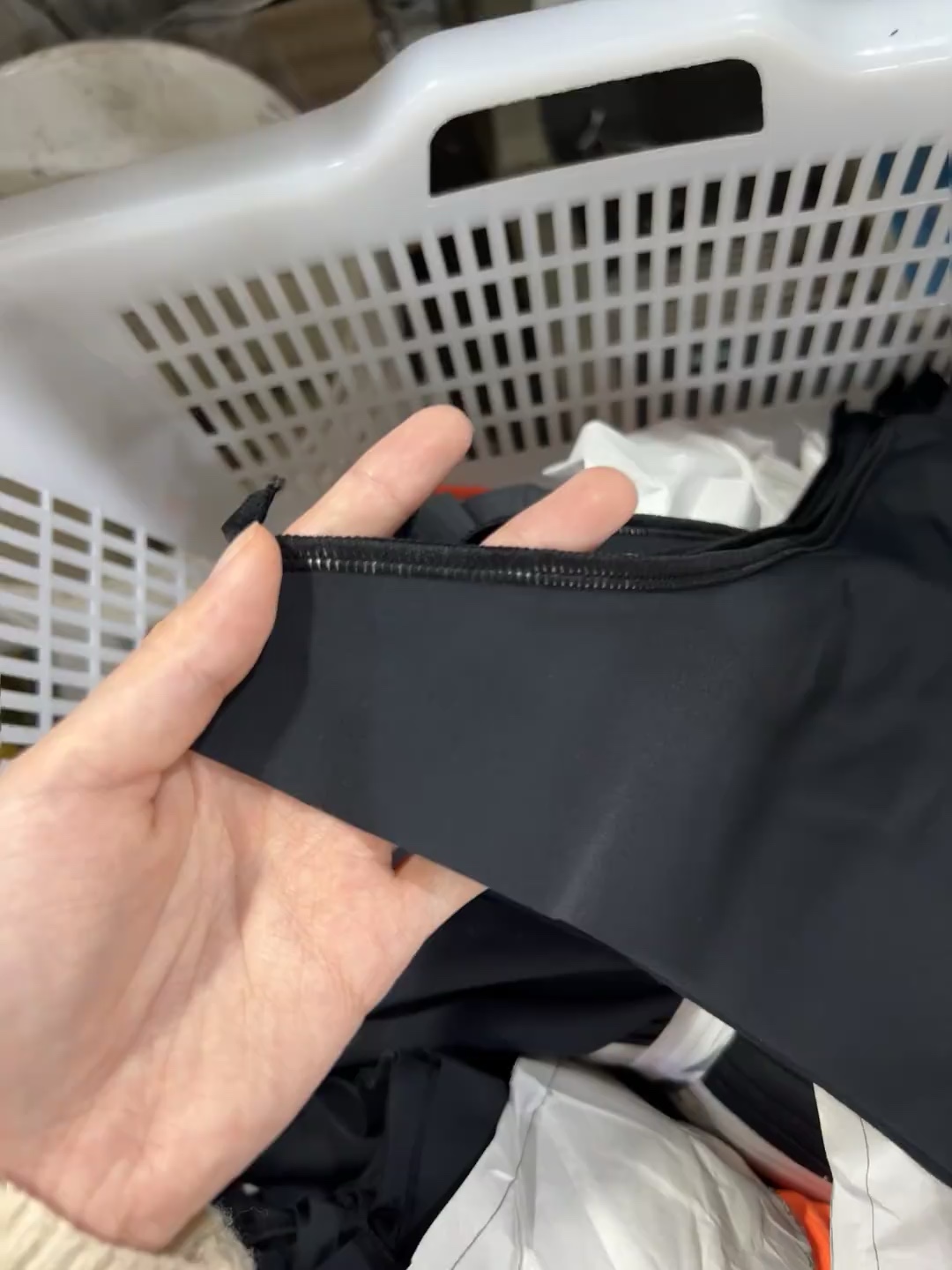
Quality control
Agree the sample reference, measurements, tolerances and acceptance criteria before production. Review material, construction, appearance and packing requirements at the relevant stages.
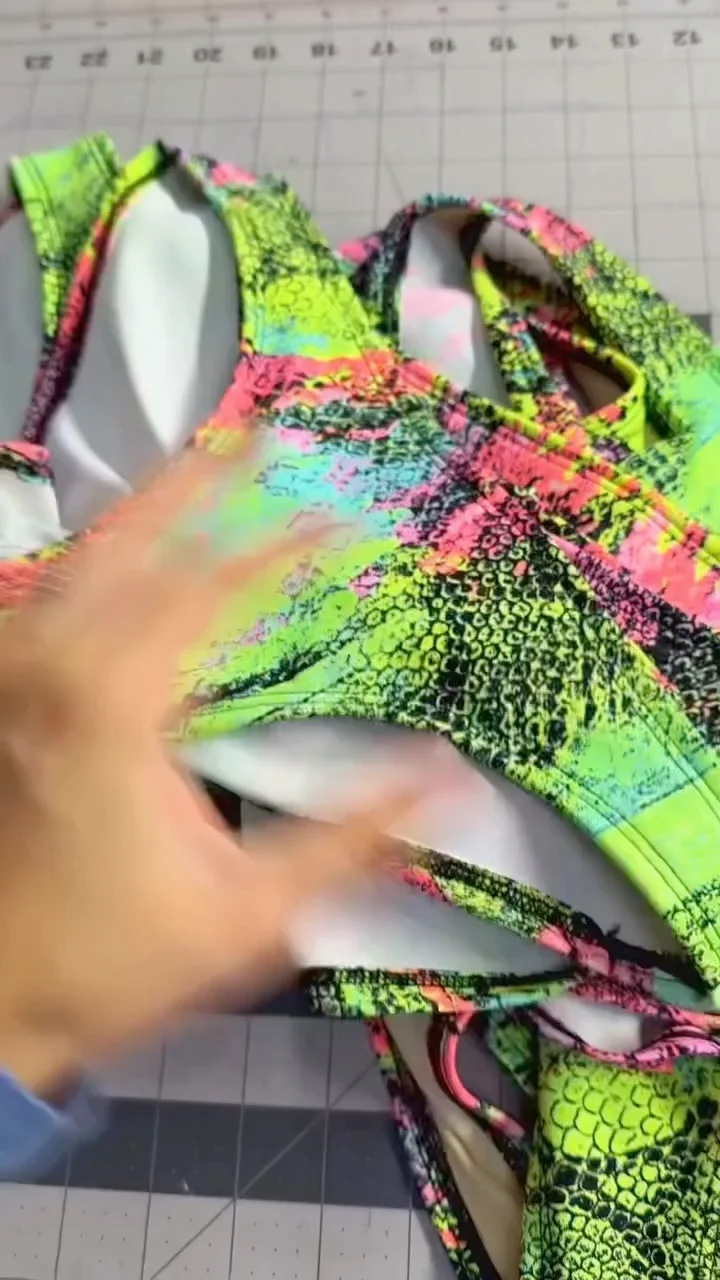
Garment review
This view shows a garment panel being handled on a gridded surface. It is not a laboratory test or a recorded measurement result.
For your order, agree the measurement method, seam appearance, attachment requirements and acceptable variation against the approved sample.
Control sequence
The approved sample, measurement method, tolerances, defect definitions and packing instruction form the reference for order-specific checks.
Confirm order-specific material, color and component references before use.
Compare early production against the approved construction, measurement and workmanship reference.
Identify repeatable issues while corrective action can still be taken in the production flow.
Review the agreed quantity sampling, measurements, appearance, function and packaging criteria.
Keep the inspection status and order-specific open items visible for final handover.
Quality team & independent testing
Our eight-person quality inspection team covers fabric inspection, measurement checks, in-line sewing review and finished-garment inspection. Agree the sample references, tolerances and reporting requirements for your order.
If independent testing is required, agree the laboratory, method, sample quantity, fees and schedule before arranging it. Process footage does not establish a laboratory result or certification.
Supplier documentation
Confirm the available documents for your supplier assessment. Check the named entity, site, scope and validity before relying on an audit or certificate.
Supplier documentation and order-specific product testing serve different purposes. Agree any material or garment tests separately for the intended market.
Your inspection brief
Numerical limits and test conditions are agreed for the actual material, garment and market. No pass result is implied by process footage.
| Review area | Reference to provide | Confirmation needed |
|---|---|---|
| Materials & color | Approved fabric, lining, color and print references. | Composition documents, material lot and any required color tests. |
| Measurements & fit | Size chart, points of measure and approved sample. | Measurement method, grading rules and tolerance for each point. |
| Seams & attachments | Agreed stitch appearance, edge finish, straps and trims. | Inspection points, function checks and defect definitions. |
| Stretch & coverage | Intended use, stretch direction and coverage requirements. | Testing can be arranged on request; methods, conditions and acceptance criteria must be agreed. |
| Labels & packing | Approved artwork, label placement and packing instructions. | Size / color assortment, quantities, folding and carton information. |
| Release & records | Inspection scope and agreed reporting format. | Review any open issues and the order-specific release decision. |
Share the product direction, target market, quantity structure and reference files you already have. Project-specific sampling and quotation requirements are reviewed from there.
Useful inspection records
The agreed inspection scope should explain what is reviewed, which reference applies and how open issues are resolved.
Read the buyer checklist →Record the style, color, size and relevant sample version alongside the observation. A photograph without context is difficult to compare.
Use the approved measurement method, finish or artwork. Keep visual review separate from any laboratory testing requested for the project.
Distinguish accepted items, corrections and questions requiring buyer approval. Agree how any correction will be checked before release.