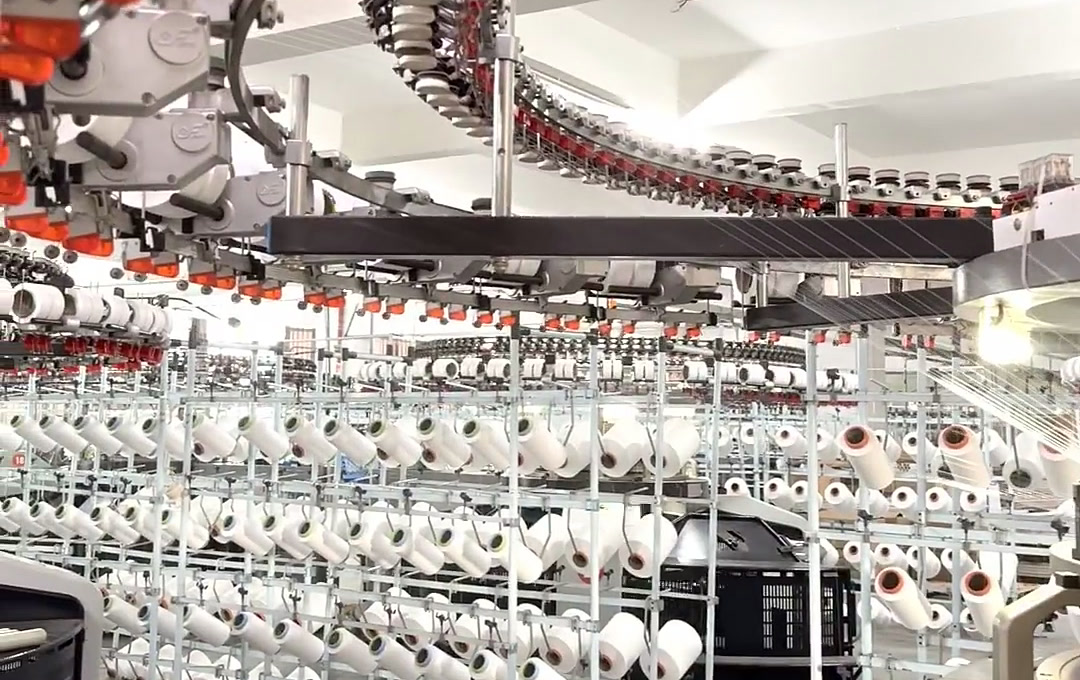
Thread paths and material equipment in the supplied factory footage

Working with us

Choose the right development route for your brand.

Start from a relevant collection style or bring your own specification. Both paths move toward a confirmed brief, an approved sample and clear commercial terms.

Path A — New or testing the category

Start from a working style.

Use the collection to identify a silhouette and construction direction before defining the level of customization.

  • Select useful product references
  • Identify must-change details
  • Share market, sizes and quantity direction
  • Confirm feasible development scope
Browse the collection
Path B — Developed brand direction

Start from your specification.

Bring a tech pack, reference garment or consolidated design brief for a structured review.

  • Share current drawings and measurements
  • Define fit, support and materials
  • List labels, packaging and test needs
  • Agree sample and approval stages
Review OEM development

From sample to shipment

Know what each stage needs.

A project progresses when the buyer and factory agree the current reference and the open decisions. Quantity, timing and fees are confirmed for the actual scope.

Submit references

Send the sample, drawing or technical pack, intended market, target fit, size range and approximate order structure.

Review development

Confirm construction questions, material availability, sample scope and the decisions needed before work begins.

Review the sample

Use one consolidated comment sheet with measurements and marked photos. Identify the version and any material substitutions.

Confirm the product

Approve the physical reference and current specification, including color, lining, support, trims, labels and packing.

Prepare production

Confirm the quantity breakdown, commercial terms, material status and inspection criteria before the agreed start point.

Inspect and arrange delivery

Review the agreed inspection and packing records, resolve open items, and confirm documents and delivery responsibilities.

Before quotation

Prepare the variables that shape the project.

Style and construction; colors and size range; quantities; target market; material direction; labels and packaging; tests; desired delivery window and commercial terms.

Choose your starting point

What changes between OEM and ODM?

The approval responsibilities stay clear whichever route you choose. Neither route replaces physical sample and size confirmation.

DecisionOEM: your designODM: an existing direction
Starting informationYour sample, sketch or technical pack, with the intended fit and construction.A selected style reference and a list of the changes you want to discuss.
Development reviewIdentify missing dimensions, components, material requirements and manufacturing questions.Review which fit, fabric, print and branding changes affect the starting structure.
Your approvalConfirm the developed sample, size specification and agreed material references.Confirm the revised sample and every agreed change from the original reference.
Before productionAgree the current sample version, quantity by style / color / size, labels, packing, inspection criteria and commercial terms in writing.

Keep approvals traceable

One comment sheet. One current sample.

Consolidate feedback

Group fit, measurement and construction comments. Use marked photographs and explain the intended change, not only the problem.

Identify the version

Record the style number, sample version, date and material references. List substitutions or unresolved details separately.

Close the open decisions

Confirm accepted details and remaining exceptions before bulk preparation. A visual reference alone does not approve unseen structure.

Get the sample revision worksheet →

Plan your project

Reference quantities and timelines.

Use these starting points to prepare your brief. Your quotation confirms the applicable minimums, sampling scope and production dates.

Reference MOQ

200 pieces per style, per color

Our reference MOQ is 200 pieces per style, per color. The final minimum depends on construction, fabric and trim sourcing, print requirements and the size breakdown. For sets, confirm how pieces and sets are counted in your quotation.

Sample development

5–10 working days

Sample development typically takes 5–10 working days, subject to a reviewed brief and available materials. Custom fabrics, prints, trims and sample revisions may require additional time. We confirm the schedule for your development scope.

Bulk production

30–45 days

The reference bulk production lead time is 30–45 days. The start date and delivery schedule depend on sample approval, material availability, order quantity and production scheduling. Shipping time is agreed separately.

Discuss quantities and your target schedule →

Ready to discuss your swimwear collection?

Share the product direction, target market, quantity structure and reference files you already have. Project-specific sampling and quotation requirements are reviewed from there.

Start Your Project

Repeat orders

Keep what works. Identify what changes.

A previous order is a useful starting point, but a repeat brief should still name the current requirements.

Discuss a repeat collection →

Carry forward the reference

Identify the approved style, size specification and material references. Keep a physical reference where possible.

List seasonal changes

Separate new colors, prints and labels from unchanged details. Review any effect on coverage, appearance and packing.

Refresh the order breakdown

Confirm current quantities by style, color and size. Material availability and the production schedule are reviewed for the new order.