Swimwear Manufacturing Insights
Why Do Swimsuits Become See-Through When Wet?
What swimwear buyers should check about fabric, lining and fit before bulk production.
Some swimsuit fabrics become more transparent when wet because water changes how light interacts with the textile. Stretch, fabric construction, color and lining also affect coverage. Buyers should assess the intended fabric-and-lining combination in both dry and wet conditions, then confirm the result on the finished garment before bulk approval.
For swimwear brands, retailers and wholesale buyers, a dry fitting alone can leave a coverage question unresolved. An unexpected wet-state result may lead to complaints or returns. Addressing the issue during development means agreeing the intended coverage, reviewing representative samples and recording the approved materials and garment version—not simply choosing a heavier fabric.
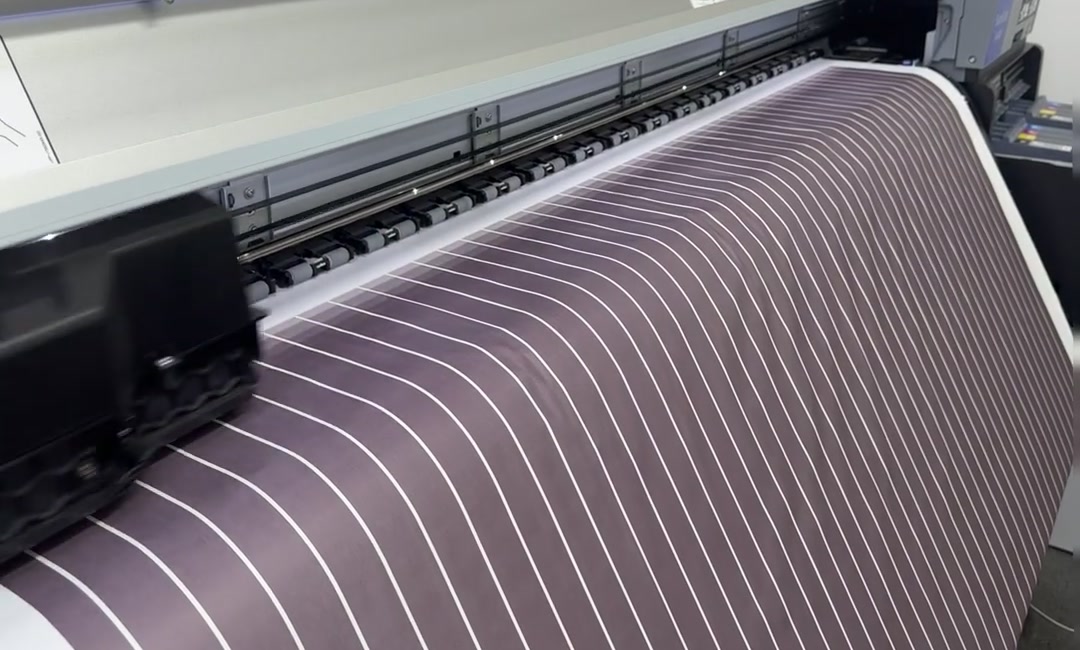
Fabric Weight Is Only Part of the Picture
GSM expresses fabric mass in grams per square metre; it is not a measurement of thickness. Two fabrics with similar GSM can have different knit structures, yarn characteristics and surface coverage. Weight is useful for identifying and comparing materials, but it cannot establish opacity on its own.
When a knit stretches, the spacing between yarns and their coverage of the surface can change. The result depends on construction and the direction and extent of stretch. Assess the selected material under a representative garment state, rather than relying only on a relaxed swatch or its specification sheet.
Record the material article, documented composition and weight, structure and stretch direction. Then evaluate its appearance in the intended color and construction. There is no universal GSM threshold that guarantees acceptable coverage for every swimsuit.
Review the material options alongside the sample specification, rather than treating a weight figure as a coverage result.
Light Colors and Stretch Need Separate Checks
White, cream, beige and pastel colorways need their own assessment. Wetting can alter the optical interaction between fibers, air and water, while the contrast of skin or a backing beneath the fabric affects what is visible. A result for black fabric should not be transferred to white or another colorway without checking it.
Neither a dark color nor a light color establishes a pass or fail by itself. Compare the intended colors against consistent backgrounds and lighting, then examine local tension at areas such as the bust, seat, neckline and panel joins. A flat swatch may not represent how a fitted garment stretches across these areas.
Assess the Outer Fabric and Lining Together
Lining can contribute to coverage, but adding it does not guarantee that a swimsuit will remain opaque. Evaluate the outer fabric and lining as a pair: their colors, structures, stretch and recovery, together with full or partial lining coverage and the way the layers are attached.
A lining that stretches differently from the outer fabric can change how the layers sit against the body. Seams, openings, support components and lining boundaries can also create different conditions within one garment. Review the actual sample, including relevant internal details, rather than assuming an exterior photograph establishes its construction.
A fiber name alone does not determine wet opacity. Keep the lining article and color in the approved material list, and review the pairing again if either layer or its placement changes.
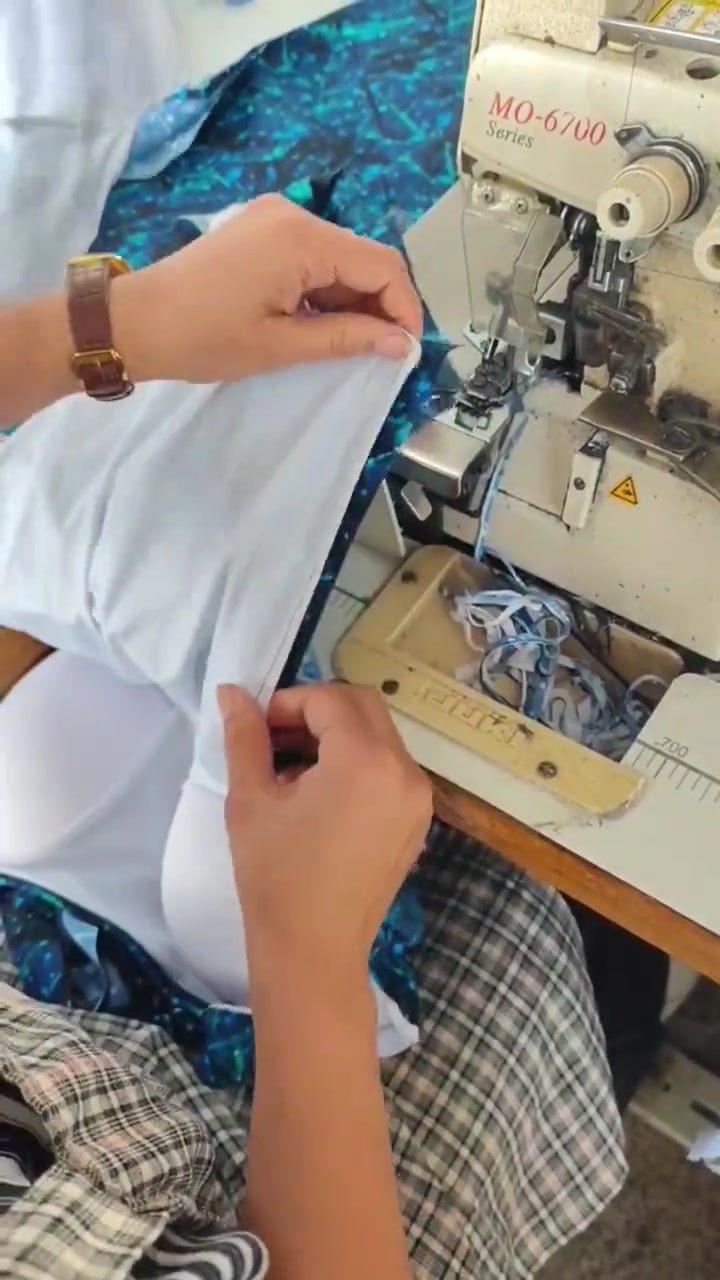
Discuss the lining, fit and construction choices as one garment, including which details need physical sample review.
Compare Dry and Wet Conditions
A dry sample review can reveal sizing, proportions, strap placement and seam issues, but it cannot establish the wet-state result. The sequence below is a development checklist buyers and manufacturers can agree for a project. It is not a universal mandatory standard, a substitute for a named laboratory method or a statement that Swimfac performs every step for every order.
| Stage | What to Check | What to Record |
|---|---|---|
| Material information | Outer fabric and lining articles, documented specifications, structure and color | Material identifiers, supplier information, swatch references and any open specifications |
| Dry stretch observation | Coverage in the intended stretch direction and a representative tension or fit state | Lighting, background, stretch state, color and observations |
| Wet fabric observation | Appearance of the wet outer fabric and lining combination | Wetting and draining conditions, sample identity, background and observed changes |
| Finished garment fitting | Fit, local tension, lining extent and key coverage areas | Style, size or fit state, sample version and locations reviewed |
| Wet garment review | Wet-state coverage, fit and how the layers sit together | Agreed viewing conditions, garment state, observations and required revisions |
| Pre-production approval | The approved garment and the materials intended for bulk production | Final sample version, material list, acceptance criteria and approval record |
Record—and keep as consistent as practicable—the lighting, observation background, stretch or wearing state, wetting and draining conditions, and sample color and version. Agree what is acceptable and who will approve the result. Do not compare samples assessed under different conditions as if they were equivalent.
Coordinate the observations with the agreed quality-control brief. Where a named test method is required, agree its scope and how it will be carried out separately.
What to Confirm Before Bulk Production
Bring the material observations and finished-garment review into one approval package. Resolve these five points with the manufacturer before releasing bulk production; a catalog image or an unrecorded dry fitting is not a substitute for the approved reference.
- Outer fabric and lining
Confirm the article identifiers, colors and documented specifications for both layers.
- Representative garments
Identify the styles, colorways and representative sizes or fit states that have been assessed.
- Assessment conditions
Record the viewing and wetting conditions and the acceptance criteria agreed by both parties.
- Approved sample
Name the approved sample version and retain the necessary observations, photographs or other agreed records.
- Changes after approval
Agree when material, lining or construction changes require another coverage review and approval.
Discuss Coverage Requirements Before Sampling
Share your style, color direction, preferred fabric, lining requirements and target market before sampling. Identify the areas where coverage matters and the representative fit or size conditions you want reviewed. This makes the development brief and sample feedback more specific.
The objective is an agreed garment and material reference under documented assessment conditions—not a promise of zero transparency or zero returns. Visible-light coverage is also a different property from ultraviolet protection: an opacity observation does not establish a UPF rating.
Further Reading
SATRA TM215 — Transparency of swimwear
SATRA's public description covers the assessment of swimwear fabric transparency in dry and wet states, including consideration of lining. The development checklist above is separate from that test method. This reference does not claim that Swimfac is certified to, has passed or is currently using TM215.